


Introduction
In Japan, the number of patients requiring long-term care for chronic diseases or disabilities is increasing owing to the rapid aging of the society. Treatments performed in hospitals before have now shifted to home-care practice as much as possible, and the lives of people with diseases or disabilities have changed from hospitalization to self-managed ones. In this trend, the treatment practice for patients with incurable diseases or intractable cancers requiring palliative care, such as terminal care, shifts from clinical care to home care, and nurses today are necessary to support patients and their families. In addition, the accelerating birth rate decrease is causing a population decline in Japan; thus, family functions become fragile, and the response capability of the family with sick members (s) is declining. In this context, family health nursing is increasingly expected in various medical practices in Japan.
At the same time, highly advanced and specialized knowledge and skills are required for nurses in Japan owing to the rapid advancement of medical technology. In response, the certified nurse (CN) system was established in 1998, followed by the certified nurse specialist (CNS) system in 2015, which allowed nurses to conduct medical procedures. The nurse practitioner (NP) system was established in 2019, expanding nurses’ practice stages, subjects, and roles. Under these circumstances, the certified nurse specialist in the family (CNSF) was established as the ninth CNS in 2008 in response to social demands. In contrast to the other CNSs who support “individual patients,” CNSFs are specialists who support “families as groups of living people“ on a scale beyond the framework of medical care, including specific development stages, disease types, and fields. They practice their specialties interdisciplinarity, and their roles and practices cover many practices. CNSFs are nursing specialists with relevant subspecialties who must perform a high level of procedures in multiple fields, consultation, and coordination. They also collaborate with CNs or CNSs of different specialties to resolve challenging cases. Therefore, the characteristics of nursing care practice in CNSF in the context of a unique Japanese medical culture should be clarified.
The concept of family health nursing in Japan is to support a family as a whole by viewing it as a care subject with diverse and complex groups [1]. In the United States, family health nursing is defined as “a process performed to fulfill the healthcare needs of a family within the scope of nursing practice [2].” These culturally different systems both view the patients and their families as nursing care subjects in a single system. In Japan, toward the realization of a comprehensive community care system, care should be taken not only for patients but also for the families of local patients. In other words, the concept of family health nursing groups that practice nursing from a broader perspective is important. However, the nature of family health nursing practice performed by CNSF in Japan has not been clarified. The essence of family health nursing exists within the family culture unique to each country, and it is essential to provide nursing care considering the values of each family member.
This study aimed to clarify the contents of the family health nursing practice of advanced practice nurses (APN) of the CNSF. Revealing the practice contents of the Japanese CNSF can help characterize Japanese medical culture and families with sick patients.
Purpose of the study
This study aimed to clarify the actual situation of family health nursing practice using CNSF.
Outline of the study
Definition of terms
Family health nursing practice: Intervention or involvement in “advanced practice,” “coordination,” “consultation,” “ethics,” or “education” by CNSF.
Origin and roles of CNS in Japan
In 1987, the Japanese Ministry of Health, Labor, and Welfare (MHLW) proposed fostering CNSs that would educate nurses in specialized fields to facilitate efficient nursing task practice. In response to this proposition, the Japanese Nursing Association (JNA) launched two systems: the “ CNS system” in 1994 and the “CN nurse system” in 1995 [3]. The graduate school education in the CNS field began in 1995 and currently includes 14 fields of nursing study: “cancer,” “psychiatric,” “community,” “geriatric,” “pediatric,” “maternal,” “chronic disease,” “acute and critical care,” “infectious disease,” “family support,” “home health care,” “genetic,” “disaster,” and “radiation.” The applicant must have five years of nursing experience, earn 38 credits in a master’s degree program designed by the JNA, and pass the certification examination. A CNS is “a person who enhances the knowledge and skills of specific specialized fields to provide a high level of nursing care effectively for individuals, families, and groups with complicated and difficult nursing problems.” As of December 2022, 2901 CNSs have been working in clinical settings in Japan.
The CNSF situation in Japan
CNSF was established in 2008 to support families in promoting patient recovery. They are intended to provide a high level of nursing care to enhance the self-care function of a family and patient. Moreover, they assist them physically, mentally, and socially so that the family can solve problems independently. Nurses usually provide skills to those who have specific health problems, such as diseases or disabilities, and need medical and nursing care. In contrast, CNSFs are unique because their nursing practice involves the entire family, including the patient. There are six educational institutions nationwide and 82 CNSFs as of November 2022, comprising only 3% of all CNSs in Japan.
Research Method
Research design
A qualitative descriptive study using focus group interviews
Focus group interviews (FGI) were considered suitable for exploratory basic research. The group interview yields higher-quality data than individual interviews due to the interaction among research collaborators. This study aimed to identify family health nursing practices that have not been clarified; the FGI was employed with the expectation that discussions among participants would elicit richer data.
Research participants
Participants of this study were CNSFs certified by the JNA as of 2019, working at advanced treatment hospitals, general hospitals, or sanatorium-type hospitals. Patients in Japan receive medical care at the facility of choice according to their medical conditions and the wishes of their family members. Therefore, we hypothesized that it would be possible to clarify the actual situation of family health nursing practice in Japan by interviewing CNSFs at variable medical facilities.
The following are the definitions of advanced treatment hospitals, general hospitals, and sanatorium-type hospitals:
Advanced treatment hospital : A hospital with the capacity to provide family health nursing practices with a wide range of medical care, a high level of medical technology, and advanced medical care training. General Hospital: A community-based hospital with more than 400 beds approved by the Minister of the MLHW.
Sanatorium-type hospital: A hospital capable of providing medical and nursing care either by establishing a system of 24-hour home- visiting care in response to patients’ calls or providing 24-hour home- visiting nursing care in cooperation with home nursing stations.
Data collection period
January to December 2019.
Data collection method
Candidate CNSFs were searched from the JSA website, and written requests were sent to the facility directors and CNSFs working at advanced treatment hospitals, general hospitals, or sanatorium-type hospitals in the Kanto and Koshinetsu regions to obtain their consent. Those who agreed to participate in this study were divided into three groups according to hospital type. After scheduling the interviews with the participants, one interview session was conducted for each group. Participants were asked to talk freely regarding “specific nursing practice” and to recollect nursing care practices they provided as CNSFs. The interviews lasted from 85 to 154 minutes and were conducted in a conference room to maintain privacy. The interviews were recorded with a voice recorder with the participants’ consent in advance, and the contents were transcribed into verbatim data.
Analysis method
The characteristic family health nursing practices in the CNSFs narratives were extracted into codes by focusing on the context. The extracted codes were grouped, combined, and subcategorized according to their similarities to create categories at a higher level of abstraction. The analysis was reviewed by multiple family health nursing researchers and CNSFs to ensure the reliability and validity of the results.
Ethical considerations
This study was conducted with the approval of the research ethics committees of the institute to which the authors belong. The purpose of the study, consideration for personal information, and publication of research results were explained orally and in writing to the interview participants in advance, who were asked to participate of their own free will. The participants’ consent was obtained to destroy the collected data after the completion of the study.
Results
Outline of participants (Table 1)
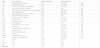
The participants were 11 CNSFs divided into three groups. Four participants were in the advanced treatment hospital group, one of whom was stationed in the outpatient department, and three were assigned to the ward. The interview lasted 102 minutes, and their experience as CNSFs ranged from three to eight years. The general hospital group had three participants, one assigned to the outpatient department, one to the discharge support section, and one to the ward. The interview duration was 85 minutes, and their experience as CNSFs ranged from one to three years. Four participants were from sanatorium-type hospitals; one was stationed at a sanatorium- type hospital, one was assigned to the discharge support section, one worked in a community/inclusive care ward, and one was assigned to visiting the nursing station. The interview lasted 154 minutes, and their experience as CNSFs ranged from five to 12 years.
Family health nursing practice of CNSFs
The analysis results of the three groups from advanced treatment hospitals, general hospitals, and sanatorium-type hospitals indicate subcategories in [] and specific remarks in italics in quotation marks.
Family health nursing practice at advanced treatment hospitals
A total of 28 codes were extracted from the verbatim records of CNSFs working in advanced treatment hospitals. Eight family health nursing practice subcategories were extracted from the code analysis. These included: [coordination with the organization, other CNSs, and other professions], [assessing and drawing out the family’s strength], [connecting challenging cases to the social care system], [gaining understanding from relevant staff members from challenging case assessments], [regulating/stabilizing fluctuations in the family], [unconditional approval of nurses and staff members], [resolving the vicious cycle between nurse and family], and [breaking the vicious cycle to lead to a virtuous cycle].
The CNSFs in this group visited cross-organizational departments when needed. One participant mentioned, “ We organize a multidisciplinary conference when children are to be discharged to connect them from the hospital to the community. We talk with staff members about whom this family needs. To create a place for a conference to connect them to the community, I guess it is my role (C).” Another said, “ We have a lot of cross-organizational activities. My desk is in the patient support center, so I often interact with many people, such as office workers, social workers, and many other professionals. I collaborate with doctors as well because I always have to support patients’ decision-making and treatment decisions. I also consult the patients and their families about treatment plans (A).” As seen in these remarks, CNSFs implemented a wide range of organizational interventions involving multiple professions to deal with difficult situations, such as [coordinating with the organization, other CNSs, and other professions] and [connecting challenging cases to the social care system].
CNSFs worked to solve nurses’ problems by leading them to [assessing and drawing out the family’s strength] and [gaining understanding from relevant staff members from challenging case assessments], as seen in the remarks, “ When the family cannot decide the course of action, nurses are at a loss. When the family wavers in decision-making, nurses get involved between the patient and the family. I try to make an assessment and feedback to the involved nurses (B).” Here, CNSFs made interventions for the realization of [regulating/ stabilizing fluctuations in the entire family], [resolving the vicious cycle between nurses and family], and [breaking the vicious cycle to lead to a virtuous cycle].
Another remark, “ When there is a vicious cycle, it really exhausts all of us; the family is not healed, and the nurses cannot approach the family (C),” indicated that staff members encountered difficult situations with the family and the patient. On such occasions, CNSFs implemented [unconditional approval of nurses and staff members].
General hospital
A total of 30 codes were extracted from the verbatim records of CNSFs working at general hospitals. After analysis results of these codes, three subcategories were constructed: [practice toward stabilization of the situation], [interventions with determination for family support], and [behavior as an overseer].
The CNSFs in this study were engaged in family health nursing practice outside their regularly assigned departments when the need arose, regardless of time or location. One participant mentioned, “ I often remind myself if what I do in family support actually supports the family. From what I see, it includes all, from the first informed consent (IC) at the outpatient department and decision-making situations (E).” They also stated, “ There is nothing you can leave to the nurses in the ward. I see the patient and the family through to the end (E).” Her remarks illustrate the characteristics of cross-organizational and continuous practice beyond her department. In this context, participants always confirmed if their action led to [practice toward stabilization of the situation] to implement [interventions with determination for family support] as responsible CNSFs.
At the same time, CNSFs maintained [behavior as an overseer] while assessing family strength. They implemented family health nursing practice by ascertaining the intervention timing, as seen in the remarks of other CNSFs in this group, such as, “ Then I start the process of knowing the background of the decision-making, asking the family and the patient why they feel that way (F),” and “ It’s quite a challenge to watch and wait if the family can or cannot make the decision; you try to look the other way, but something must be done now, otherwise things will go wrong. It’s a tough choice to make when to intervene (G).”
Community health support hospital
A total of 48 codes were extracted from the verbatim records of the CNSFs working at community health support hospitals. After the analysis of these codes, four family health nursing practice subcategories were identified: [personally overseeing the community/ social system to assist nurses in making assessments], [helping nurses to reach their goals while providing them with consultation], [supporting the self-care capacity of the vulnerable family], and [coordinating while recognizing expertise among medical healthcare providers].
CNSFs in this group performed family health nursing practice by [personally overseeing the community/social system to assist nurses in making assessments] as seen in remarks such as, “ I usually ask quite deep questions in the family support to highlight essential information; other nurses are often surprised by the assessment results (H)” and “ I do not focus only on the patients themselves; I try to capture the family as a whole, imagining how patients live in their family (I).” This demonstrates the CNSFs practice of [helping nurses to reach their goals while providing them with consultation].
Another CNSF mentioned, “ I usually wait for the family to make decisions. You can wave the banner and lead the family to follow you, but I want to believe in the family strength and wait for them to make the decision (J).” This indicates that CNSFs were [supporting the self-care capacity of the vulnerable family]. CNSFs in this group also practiced [coordinating while recognizing expertise among medical healthcare providers], as seen in the remarks, “ Doctors often see things in black or white. (H)” and “ Collaboration is not as simple as it seems. First of all, acknowledgment. Nothing goes without acknowledging others (K).”
Integrated analysis of family health nursing practice (Table 2)
A total of 106 codes and 15 subcategories were extracted from the interviews with each group. To extract categories, the level of abstraction was enhanced by focusing on all subcategory’s similarities and family health nursing practice characteristics. The following four categories of family health nursing practice were identified: “coordinating organization/community/social system and occupation types,” “helping nurses to make an assessment and lead them to their goals,” “resolving vicious cycles between medical and family systems,” and “supporting stabilization of the whole family and self-care capacity enhancement.”
Discussion
The CNS system was initially investigated by the JNA in the 1980s. It was established in 1994 through consultation among relevant organizations, including academic societies of nursing science in Japan and professional nursing associations. The goal of this system is to “contribute to the development of healthcare, medical care, and welfare services. Moreover, to advance nursing sciences by providing society with certified nurse specialists who have deepened their knowledge and skills in specialized nursing science fields to effectively provide a high level of nursing care to individuals, families, and groups with complicated and challenging nursing issues. [3]” The roles of the CNS include the following: 1. providing a high level of effective nursing care to individuals, families, and groups; 2. providing consultation to care providers, including nurses; 3. coordinating relevant health, medical, and welfare professionals to provide patients with the necessary care; 4. resolving ethical issues/conflicts to protect the rights of individuals, families, and groups; 5. to serve as educators in improving the quality of care, and 6. researching activities in the practical field to improve and develop specialized knowledge and skills [3]. The CNS system has been expected to lead the way in improving the quality of medical/care services in the nursing community in Japan since its inception. However, despite more than 2,900 registered CNSs in 14 fields, its practice by CNSs has not been validated with sufficient evidence [4]. It is typical for CNSs in Japan to provide nursing care with the same treatment as generalists while receiving coordination and consultation. Most CNSs in Japan are occupied with tasks other than their original specialist duties; thus, their contributions to effective interventions are difficult to recognize by patients, families, and other professionals. In this regard, it is essential to demonstrate the nature of advanced practice nursing performed by CNSs in an easy-to-understand way, both domestically and internationally.
In this regard, CNSF was established in 2008 as the 11th CNS. CNSFs are expected to systematically engage with the subject family to conduct nursing practices based on specialized knowledge. In Japan, a family is usually understood as a group based on blood, legal, or emotional relationships. Therefore, in medical practice, the family is the most important person for the patient because they are the patient’s voice and financial support; the family approach is indispensable in medical practice.
Family health nursing practice characteristics were clarified in this study through the activities of CNSFs. Advanced treatment hospitals provide a high level of medical care; therefore, there are many complicated and challenging cases. In other words, those who work in these facilities often encounter situations requiring families to make decisions/solutions, including decision-making and consensus- building, regarding the patient’s treatment. The extracted subcategory [regulating/stabilizing fluctuations in the entire family] should be a psychological intervention in the patient’s emergency situation when the family cannot recognize the severity of the situation and sustain emotional stability. In some cases, staff members are required to resolve situations with nursing interventions under time constraints depending on the severity or difficulty of the patient’s condition. In such cases, CNSFs played a core role in coordinating human/social resources to lead to multidisciplinary collaboration by [gaining understanding from relevant staff members from the assessment of challenging cases] or [connecting challenging cases to the social care system]. For the family of patients in critical condition, time is often essential, and CNSFs are required to perform practices related to ethical coordination. In such cases, while providing [unconditional approval of nurses and staff members] and [resolving the vicious cycle between nurses and family], CNSFs needed to build a relationship of trust with the family in a limited time and attempted to establish a shared consensus among relevant medical professionals to resolve the chaotic situation. The CNSFs working at advanced treatment hospitals implemented family health nursing practice to support the family by resolving fluctuations, proposing what they can do for the patient, and coordinating with other professionals and the family.
General hospitals are community-based general medical care facilities providing medical services to local residents. Patients with chronic diseases or those who require long-term care are often admitted to general hospitals. Thus, the patient-family relationship should be stable, as seen in the extracted subcategory [practice toward stabilization of situation]. The relationship between the patient, the family, and the hospital was also maintained by medical professionals other than nurses. These professionals made interventions on their own accord, recognizing the importance of family support, as seen in the subcategory of [intervention with determination for family support]. The CNSFs in this group observed the situation in the subcategory of [behavior as an overseer]. They confirmed the behavior or remarks of the family and other professionals to implement coordination among professionals in various situations. The CNSFs were highly respected for their accomplishments in hospitals, playing the role of specialists in cross-organizational interventions in the hospital system.
Community health support hospitals provide in-home nursing and respite care to support patients and their families, including those who receive home care and older adult patients. Most patients in this type of hospital require long-term care, and medical professionals often establish close relationships with patients’ families. They help families as close supporters, as seen in the subcategory [supporting self-care capacity of the vulnerable family]. Various types of medical professionals are involved in using social resources in patient care and family support, and [coordinating while recognizing expertise among medical healthcare providers] has become an essential role of CNSFs. At the same time, CNSFs were [personally overseeing the community/social system to assist nurses in making assessments] by respecting the family’s initiative, believing in the family’s self-care capacity, and supporting them in the background. The CNSFs, who works at a regional medical support hospital, saw the target of nursing from a broad perspective of the community and society as well as the hospital. CNSF showed the direction of family nursing to registered nurses and led them to the goal.
Subjects of nursing practice by CNSFs include families of all types of patients, ranging from childhood to old age, from acute to convalescence stage care. Differences in patient age, medical history, development of illness, and treatment plan significantly impact the patient family members’ issues. Therefore, CNSs nursing practice was typified by the characteristics of each hospital type and carried out according to organizational differences. At the same time, CNSs collaborated with various other medical professionals, as seen in the category “coordinating organization/community/social system and occupation types,” working as a liaison to enable collaborative bonding. Ibe [5] mentioned that “the CNSs’ practice is based on their logical and scientific thinking derived from evidence and their empirical knowledge.” This should also be true in the practice of CNSFs, who collectively assess the situations of patients, families, and medical practitioners to perform necessary practices within their area of expertise based on the hospital’s characteristics. The practice of CNSFs usually starts with nursing care for the patient, the effect of which spreads to the family and the hospital organization. It should provide medical practitioners with a sense of accomplishment and lead to favorable outcomes in the medical field. The CNSF resolves vicious cycles and enables favorable changes in the patient’s family while supporting them by reviewing the diversity of the family and respecting their initiatives.
The viewpoints and thoughts of CNSFs are unique and different from those of CNSs, which are system-methodological.
Conclusions
The characteristics of family health nursing practice by CNSFs were extracted through FGI from the narratives of CNSFs working at advanced treatment hospitals, general hospitals, and community health support hospitals. The extracted four categories “coordinating organization/community/social system and occupation types,” “helping nurses to make an assessment and lead them to their goals,” “resolving vicious cycles between medical and family systems,” and “supporting stabilization of the whole family and self-care capacity enhancement” indicated that the family health nursing practice performed by CNSFs was a systematic assessment of family members and the organization, namely, an intervention focusing on adjusting various factors.
Competing Interest
This study’s primary investigator and co-investigators have no conflicts of interest to disclose related to medical research and any business entity.
Acknowledgment
We express our sincere gratitude to all certified nurse specialists who contributed to our study.
References
- Nojima S (2006) Kazoku Empowerment wo Motarasu Kango Jissen (Nursing Practice Bringing Family Empowerment). Herusu Shuppan, Co. Inc. pp. 1–4.
- Kunii H (2003) Senmon Kangoshi Seido no Genjo to Tenbo (Current Situations and Future Prospects of Certified Nurse Specialist System). Journal of the Japanese Nursing Association 77: 6-9.
- Komatsu H (2014) Innovation in Practice through the Development of Advanced Practice Nursing - History and Challenges of the Certified Nurse Specialist System and Education in Japan - Trends in the Sciences. 19: 54-59.
- Ibe T (2015) Shusho Senmon Kangoshi no Shiko to Jissen no Tokucho (Final Chapter Characteristics of Thoughts and Practice of Certified Nurse Specialists), Senmon Kangoshi no Shiko to Jissen (Thoughts and Practice of Certified Nurse Specialists). Igaku-shoin Ltd. pp. 170–176.
- Ibe T (2015) Shusho Senmon Kangoshi no Shiko to Jissen no Tokucho (Final Chapter Characteristics of Thoughts and Practice of Certified Nurse Specialists), Senmon Kangoshi no Shiko to Jissen (Thoughts and Practice of Certified Nurse Specialists). Igaku-shoin Ltd. pp. 170–176.