


Introduction
According to a World Health Organization (WHO) report, the average lifespan is 70.0 years, the infant mortality rate is 24.0 out of 1,000, and the infant mortality rate at fewer than five years of age is 28.0 out of 1,000 in the Kingdom of Cambodia [1-2]. The poverty rate in Cambodia is 20% (Deviation from standard 44.8). Among the causes of death in 2012, infectious diseases are 48.3% of the total mortality rate, placing Cambodia in the 54th position out of 172 countries (deviation value 56.1) [2-3].
In a March 2016 UNICEF report, in a joint effort with the WHO and Association of Southeast Asian Nations (ASEAN), a simultaneous crisis of overnutrition, undernutrition, or overweight was identified in ASEAN countries [4]. In addition, it has been reported that some children are facing stunting and wasting. This “double load of malnutrition“ occurs in middle-income countries, including Indonesia, Malaysia, the Philippines, and Thailand. The report also warns that stunting occurs in Cambodia, Laos, Myanmar, and parts of Indonesia and the Philippines [5-8].
It was highlighted in 2012, approximately 20 years after the Paris Agreement, that there is a disparity in the physique of Cambodian children between the capital and the countryside [9]. And the physique of Cambodian children was measured by FIDR in 2014-15 [10]. The survey was conducted on 2,020 children aged 6-17 years randomly selected from 136 schools in Phnom Penh and seven states. In this survey, standardized anthropometric measurements and a 24- hour recall method were used for a daily dietary survey. It was pointed out that children in the capital may have a good physical constitution but low physical strength. The results were similar to those of the 2011 SEANUS of four Southeast Asian countries. In other words, even in Cambodia, there was a difference in the nutrition and physique of children from urban and suburb areas. Therefore, the Foundation for International Development/Relief, FIDR [11], a public interest- incorporated foundation, has established a national pediatric hospital and nutritional management in Cambodia.
In 2006, the Cambodian government formulated a school health policy and began to consider child health management. However, although the government has influenced the capital, improvement has not progressed in the countryside where infrastructure development is inadequate.
The infrastructure development situation in Cambodia differs between the capital and rural areas. In 2016 survey of 32 elementary schools, a study of the current state of toilets was conducted on 12,000 elementary school children in the entire Kandal Province, approximately 40 minutes from the capital Phnom Penh.There were only 62 toilets and three washrooms. The Kagawa University of Japan, with the support of JICA, has established a school health system in cooperation with MoEYS in Cambodia [12]. It included a school health room system by allocating a school health room and health teachers at a local school in Cambodia to promote the health management of children. In this school health room, children can complain of physical problems and seek appropriate treatment. The Kagawa University School Health Room Model is also planning a health checkup to manage Cambodian children’s health over time. Having such a health check can clarify the goal of eliminating regional disparities in children of Cambodia.
Our ultimate goal is to improve the physique and health of Cambodian children. At private elementary schools in the capital and public elementary schools in the suburb, we will implement a model of health checkups for height and weight, internal medicine and clarify the regional disparities.
Experimental Methods
Participants
The subjects were 1,201 children from seven private elementary schools in the capital Phnom Penh city, including 590 boys and 611 girls aged 6-12. The subjects from nine public elementary schools in the District, Kandal Province, approximately an hour’s drive from the capital, were 4,040 children, including 2,019 boys and 2,021 girls aged 6-12. In 2019, Cambodia’s elementary school had a population of approximately 2,777,000. This sample included 1.8% of all children in Cambodia. The capital population is 13.8% of the total population in Cambodia. The proportion of children in the capital was 11.9%, and the sample size was generally reasonable.
Of these children, 41 were in the sixth grade in the capital, and 58 were in the fifth to sixth grade on internal checkups.
Methods
Anthropometric measurements of data collection were performed in December 2018. The reliability of the measurement was ensured because the measurements were performed by local school teachers under the supervision of Japanese nurses and NPO staff. The school teachers were trained in measurement by preparing a Khmer manual in advance based on WHO measurement standards.
The height and weight data for each age and sex of the two districts were compared using the Student’s t-test. As Cambodia lacks standard data of the type we collected, the average value of the totals in this sample was considered preliminary standard data. Next, the body mass index (BMI) was calculated as weight [kg] ÷ height [m] 2. This BMI of students of each age and gender from the capital and the countryside was compared using the t-test.
The Rhorer Index (weight [kg] ÷ height [cm] 3 × 1.07) was calculated to determine the degree of obesity in children accurately, and the ratio of thinness and obesity in children was also evaluated. The criteria were: too thin if <100, skinny if ≥100 and <115, normal if ≥115 and <145, overweight if ≥145 and <160, and too overweight if ≥160.
The internal medical checkups were conducted by a Japanese professor of internal medicine at the national university who has more than 30 years of experience and a doctor who has 20 years of experience. Urinalysis was measured by the faculty members at the Cambodian nursing university, and vital signs were measured by doctors at a university in Cambodia. Urinalysis test strips were brought from Japan.
This study was conducted according to the guidelines laid down in the Declaration of Helsinki and all procedures involving human subjects/patients were approved by the ethics committee of Kagawa University, Faculty of medicine; No. 2022-016. The informed consent was obtained from all subjects from opt-out on
https://www.med.kagawa-u.ac.jp/files/3416/5294/4182/Information%20about%20Clinical%20Research.pdf and https://www.facebook.com/photo/?fbid=1405190449953092&set=a.333338060471675.
Results
Comparing the school groups, the height of boys was significantly different at all ages from 6 to 12 years (p < 0.0001-0.05) except for the girls at 6, 9, and 10 years of age. The children in the capital were significantly taller than the children from the District. Similarly, for girls, there was a significant (p < 0.0001-0.05) difference in the height between capital and suburban girls aged 7-8 and 11-12 years, but not for the other ages (Table 1).
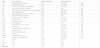
In addition, there was a significant difference in the comparison of the two districts of the BMI between boys and girls aged 6–12, children in the capital outperformed the physique of children in the suburbs (Table 2).
The Rohrer index and classification of obesity were calculated. We found that 10% or more of the boys aged 7 and 9-12 in the capital and girls aged 6, 9, 10, and 12 in the capital had a Rohrer index of 160 or more. In contrast, children in the suburbs had obesity with a Lores index of 160 or higher in only 2.0%-9.2%.
A Rohrer index lower than 100 was found for boys in the suburbs at the ages of 11 and 12 and also for girls in the capital and suburbs at the age of 11 and 12. Fewer than 10% of the boys in the capital were thin (Table 3).
Concerning the medical check of children at the capital, private primary school, almost all children were healthy, but some had a sore throat with swelling of the neck lymph nodes. Other children were found to have enlarged tonsils or spinal abnormalities. A child who showed exaggerated deep tendon reflex was suspected of suffering from spastic paraplegia, but there was no further examination because the child had no complaints. The results of the urine test revealed abnormalities in some children. Positive occult blood in girls is caused by menses. Some children showed positive urine protein, and reexamination was recommended. Children presenting positive urine protein had low-grade fever.
The medical check at suburb public primary school did not reveal any major abnormalities in children. However, some children showed pharyngitis or tonsillitis, and a few low body weight children were suspected of malnutrition. In addition, a child had a deformity of the spine. Approximately 10% of children showed positive urine protein, and a reexamination was recommended.
Discussion
The measurements of this survey were made by a team of public health and school health professionals at Japanese national universities. The child’s body position was measured under the supervision of a Japanese nurse by preparing a Khmer manual using WHO standards. In the suburbs, it was measured by school health teachers and homeroom teachers trained by the Japanese team, and in the capital it was measured by school nurses in charge of the school health rooms. Therefore, the accuracy of the measurement method was guaranteed.
The age of children was also guaranteed because the physical measurement is done every year at schools in the capital, and the age of the children in the suburban district was confirmed by the classroom teachers. A cross-sectional cohort survey was possible in this survey.
The height of children in the capital and the suburban district differed by 4 to 6 cm between the ages of 6 and 12 years, and there was no difference in variability, i.e., children in the suburbs are generally short. For the urban and suburban girls, there was a difference of 0.6 and 7.0 cm for the 6-12 years age groups, respectively, but there was no significant difference between the ages of 6, 9, and 10 years.
There was a significant difference in body weight between the urban and suburban boys and girls, suggestive of malnutrition in suburban children.
From the results of the Lawless Index’s 5-point rating, more than 10% of 7-8 years old children in the capital are obese. Only approximately 2%-7.4% of the children in the suburbs are obese. Thus, weight gain is a health issue for children in the capital. A possible explanation is that children in the capital have less exercise because their parents drive them from home to school and back. In addition, candy and soft drinks are also consumed at school, and there may be an increase in sugar intake. Governments and international organizations need to conduct regular school health checkups to enhance the exercise curriculum and teach nutrition balance for obesity.
In addition, the problem of thinness can be pointed out. More than 10% of boys and girls aged 11-12 in the suburbs and 11-12 years old in the capital are too thin. In the suburbs, when acquiring secondary sex characteristics, the boys may not be sufficiently nourished to undergo the expected change in height. This also applies to girls in the capital, and there is concern about whether the girls receive enough care to support their challenging physiological changes.
FIDR conducted a similar survey of Cambodian children in 2014- 15, pointing out nutritional disparities between urban and rural children. As FIDR was not a cohort survey, it was impossible to point out cohort issues. However, the study revealed clear body differences between the age groups. Notably, it showed that some children in the suburban District are at risk of malnutrition, as UNICEF noticed. Some of the reasons for this poor nutrition of children from the suburbs are the absence of their working parents for most of the day, the fact that some children may have to work, a deficient breakfast, and frequent diarrhea due to poor hygiene.
There were only three hand-washing areas in 32 schools in the county surveyed, and the number of toilets did not meet the government standards. In the district, Kagawa University Team Cambodia has emphasized the need for sturdy toilets and hand- washing areas. The principals have received hygiene education and training in Japan; the results of their self-help efforts are awaited. As a result, less diarrhea can contribute to the improvement of nutrition. In addition, it is expected that the physique can be evaluated every year as activities in the school health room are resumed, and if the child is given an appropriate nutrition education, the thinning will be improved.
From the results of the medical examination, some children had respiratory infections and urinary tract infections. This may have resulted from a poor hygienic environment and infrequent hygienic hand-washing. The physician who performed the medical examination also pointed out the existence of disabilities and potential health problems in elementary school children. Infectious diseases in children are overlooked due to inadequate parental education and inadequate medical institutions. With a school health checkup, early detection of health problems could prevent serious illness.
A dental examination was conducted at the same time as the internal medicine examination. In the capital children, 90% had one or more caries, and the mean value of dental caries, including milk teeth and the permanent teeth, was 4.3. We also found that 65% of the children had no prior experience of dental treatments. In children from the suburb, 98.5% had one or more caries and the mean value of dental caries, including milk teeth and permanent teeth, was 5.8. Notably, 97% of children had no experience of dental treatments. Approximately 70% of the children of the capital and the countryside had insufficient tooth brushing. Children in the capital, in particular, suffered from more severe periodontitis than children in the country [13]. From these results, the need for a clean environment and hygiene education is required. Not only is there no school health checkup in Cambodia, but the lack of public transportation from the suburbs to the capital prevents children from treating cavities early. It is also necessary to improve the national infrastructure and deploy medical institutions in the suburbs.
The School Health Department of the Ministry of Education, Youth and Sports of Cambodia announced the National School Health Policy New Version on May 5, 2019[14].
The plan included a nutritional supplement strategy, nutritional supplementation at educational institutions, promotion of vegetable gardening at educational institutions, the promotion of minimal hygiene standards in supervised cafeterias and stalls, a minimum safe nutrition in educational institutions, and the promotion of parental awareness to prepare safe and nutritious foods for their children. Therefore, it is expected that the children themselves will learn nutrition and that the efforts of the Cambodian government and international organizations will be successful. Furthermore, these approaches include a health counselor, a health counseling room, and a health check for school teachers and children. Hygiene education and health education will also be strengthened.
Conclusion
The difference in height and weight of children of all ages attending elementary school from the Cambodian capital and its suburbs was clearer than in the previous studies of SEANUT and FDIR. It was also possible to clarify the existence of obesity and thinness in children in the capital and suburbs. A child’s physique is influenced by nutrition, household budget, hygienic environment, and parental knowledge. Therefore, if primary schools carry out a school health checkups as one of the activities of the school health room, school teachers can propose goals for improving the impact to parents. Additionally, the “school lunch” approach experienced in other countries can help the impact of children.
Acknowledgments
We are grateful to the Ministry of Education, Youth and Sports of the Government of Cambodia, University of Health Science in Cambodia and the support of NGO UDON HOUSE for this survey.
Author Contributions
Hiroko Shimizu: Study design, data analysis, manuscript writing
Tetsuo Toge: Data collection, professional advice
Hideaki Nonomura: Data collection, professional advice
Hoshina Uehara: Data organization, data collection:
Competing Interests
The author declare that there is no competing interests regarding the publication of this article.
References
- Japan International Labor Foundation (JILF) (2018) Basic information on Cambodia. View
- International Statistical Rating Center (ISRC) (2018) Birth and death ranking list in Cambodia. View
- UNICEF (2019) World Children’s White Paper. View
- UNICEF (2020) Obesity and undernutrition two challenges for Asian children both countries are on the rise, pointed out in joint reports by UNICEF and others. View
- Le Nguyen BK, Le Thi H, Nguyen Do VA, Tran Thuy N, Nguyen Huu C, et al. (2013) Double burden of undernutrition and overnutrition in Vietnam in 2011: results of the SEANUTS study in 0·5-11-year-old children. Brit J Nutr 110: S45-S56. View
- Rojroongwasinkul N, Kijboonchoo K, Wimonpeerapattana W, Purttiponth- anee S, Yamborisut U, Boonpraderm A, et al. (2013) SEANUTS: the nutritional status and dietary intakes of 0.5-12-year-old Thai children. Brit J Nutr 110: S36-S44. View
- Poh BK, Ng BK, Siti Haslinda MD, Nik Shanita S, Wong JE, Budin SB, et al. (2013) Nutritional status and dietary intakes of children aged 6 months to 12 years: findings of the Nutrition Survey of Malaysian Children (SEANUTS Malaysia). Brit J Nutr 110: S21-S35. View
- Nabetani T, Chiba Y (2012) The difference between metropolitan and other areas with respect to physique and physical fitness in Cambodian Children- Focus on standing long jump. Journal of Growth and Development 55: 33- 48.
- Horiuchi Y, Kusama K, Kanha S, Yoshiike N (2019) Urban-rural differences in nutritional status and dietary intakes of school-aged children in Cambodia. Nutrients 11: 14. View
- FIDR (2013). View
- Shimizu H, Yamaguch M, Yamamoto M et al. (2020) Evaluation of seminar after that Cambodian officials and teachers who participated in school health training in Japan II. Nursing Journal of Kagawa University 24: 43-52. (in Japanese).
- Ryo M, Aya M, Minoru M et al. (2020) Technical training project for school health examination in Cambodia. Journal of Kagawa University International Office 12: 39-44.
- Ministry of Education, Youth, and Sports in Cambodia (MoEYS) (2019) School health policy.